Set a Realistic Lisbon Budget Before You Book
Lisbon rewards travelers who make a few deliberate choices before arrival. The city can feel surprisingly affordable compared with many major European capitals, but a loose plan can still become expensive through central accommodation, frequent ride-hailing, tourist-focused restaurants, and last-minute tickets. Start by separating your budget into lodging, food, transport, paid sights, and a modest daily buffer. That structure matters more than chasing an exact number, because prices and personal priorities vary.
Put the largest share toward a clean, well-located place to sleep. A slightly higher nightly rate in a neighborhood near a metro station or frequent tram route can reduce transport costs and make midday breaks easier. Next, choose one or two experiences you genuinely want to pay for, such as a landmark interior, a museum, or a guided excursion. Fill the rest of the week with Lisbon’s inexpensive strengths: tiled streets, miradouros, waterfront walks, markets, churches, parks, and neighborhood cafes.
A useful rule is to treat every day as a mix of one anchor activity, one inexpensive meal, and one unplanned walk. The anchor prevents the trip from feeling vague; the walk keeps it from becoming a checklist. Keep a reserve for rain, a special dinner, or an attraction that feels worth it once you are there. Budget travel works best when it creates choices instead of turning every decision into a refusal.
Choose a Neighborhood That Saves Time and Money

For a first week in Lisbon, look beyond the most postcard-ready address. Baixa and Chiado are convenient, but their central location can come with higher accommodation prices and a busier atmosphere. Staying a short ride or walk away often gives you more space, more neighborhood character, and easier access to everyday bakeries and grocery stores.
Consider areas such as Arroios, Anjos, Alameda, Saldanha, or parts of Estrela and Alcântara, depending on the property and your preferred pace. The key is not a neighborhood label alone: check the walking route to the nearest metro, tram, or bus stop, and look at the terrain. Lisbon’s hills are part of its charm, yet a steep climb at the end of every long sightseeing day can become tiring. If mobility is a concern, prioritize flatter streets and reliable transit over a panoramic address.
When comparing apartments, guesthouses, and hotels, include practical details in the value calculation. Air conditioning, a kitchen corner, laundry access, breakfast, and a nearby supermarket can each reduce incidental spending. Read recent guest comments for noise and accessibility, especially in older buildings. A budget room is not a bargain if poor sleep leaves you relying on taxis and expensive convenience meals. Once you book, save the route from airport or station to your lodging offline so your arrival begins calmly.
Build a Seven-Day Itinerary Around Lisbon’s Best Areas
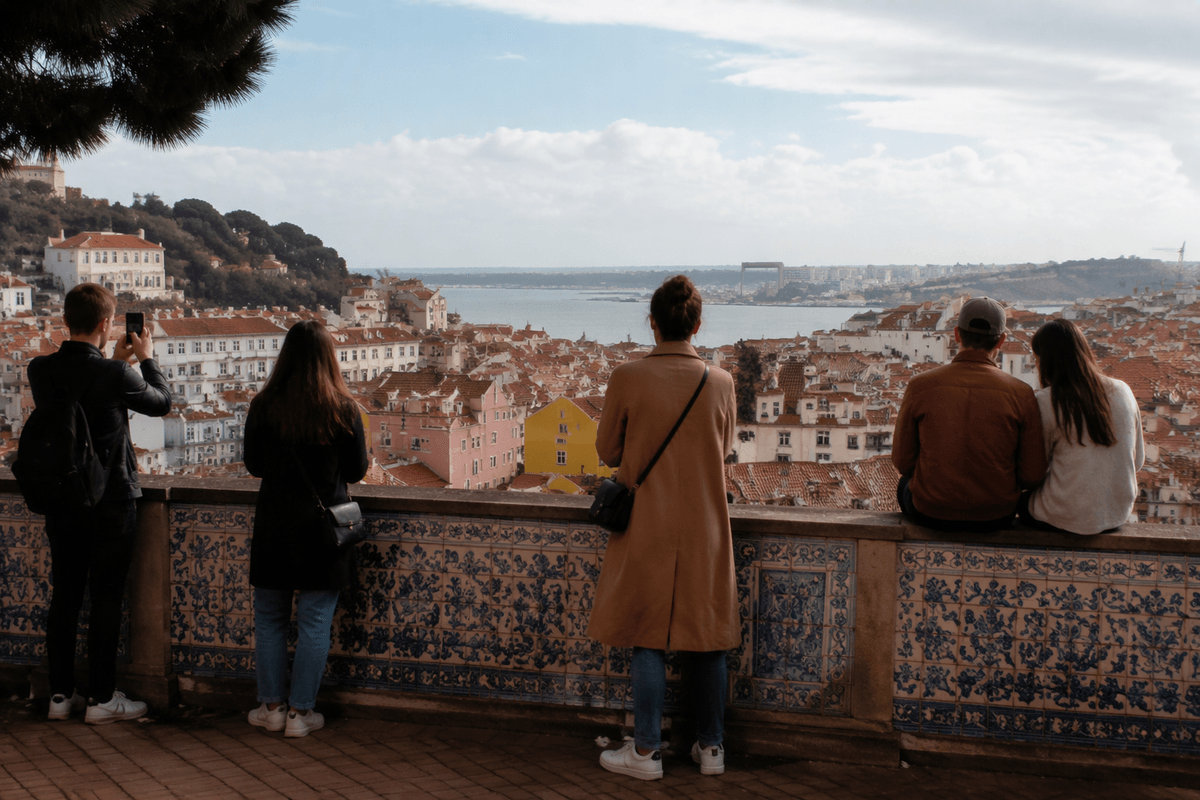
Day one should be intentionally light. Settle in, buy a few breakfast supplies, and take an orientation walk through Baixa, Rua Augusta, and the riverfront. Continue toward Praça do Comércio, then follow the waterfront at sunset. This is an easy way to understand Lisbon’s central geography without paying for a packed first day.
On day two, explore Alfama and Castelo. Start early, because narrow lanes are more pleasant before the busiest hours. Wander uphill through small squares and viewpoints, then decide whether a paid castle visit fits your priorities. Even without entering every monument, the district offers a full morning of views, tiled facades, and quiet corners. Spend the afternoon around Mouraria or return downhill for a simple lunch and rest.
Give day three to Belém. The riverfront setting, historic monuments, gardens, and museums can easily occupy most of a day. Choose one main paid interior or museum rather than trying to purchase entry everywhere. Pack water and a snack, then leave time to sit by the river. A famous pastry can be a pleasant stop, but it does not need to become the entire plan.
Day four works well for Chiado, Bairro Alto, and Príncipe Real. Browse bookshops, public spaces, design stores, and small galleries at your own pace. In the evening, enjoy the atmosphere without assuming you must buy drinks in every lively bar. A neighborhood dinner followed by a viewpoint is often more memorable and less costly.
Use day five for a flexible excursion, perhaps to Sintra or another nearby destination that suits your interests. Check transport logistics and choose a limited set of stops; trying to see every palace or trail in one day can create unnecessary ticket and taxi costs. Day six can focus on Alcântara, LX Factory, the waterfront, and nearby museums or green spaces. Keep day seven open for a favorite neighborhood, a market visit, souvenirs, or an attraction skipped earlier. This final buffer makes the itinerary feel spacious rather than overbooked.
Use Transit and Food Stops to Keep Daily Costs Down
Lisbon is a walking city, but it is not only a walking city. Combine walking with public transportation instead of treating taxis as the default. The metro is especially useful for longer cross-city trips, while trams, buses, and funiculars can make hilly areas more manageable. Learn the route-planning tools available during your stay, keep your transit card accessible, and validate tickets as required. For many visitors, choosing transit for planned journeys and walking within a neighborhood is the most efficient rhythm.
Build meals around the local daily routine. Cafes and bakeries can provide inexpensive breakfasts, while casual lunch spots, food halls, markets, and neighborhood restaurants may offer better value than places with the most prominent tourist signage. Look for a short menu, visible local traffic, and dishes you actually want rather than ordering the most familiar option. Ask politely about portions or daily specials if information is unclear.
Do not make every meal a savings exercise. Pick one dinner where you order with curiosity and linger a little longer. On other days, balance it with picnic supplies, fruit, sandwiches, or simple grocery-store staples. Carry a refillable water bottle when practical, because small convenience purchases add up across a week. Most importantly, avoid designing each day around crossing the city for a single meal. Eat near the area you are exploring and save both money and energy.
Reserve Select Experiences and Leave Room to Wander
Advance booking is most useful for experiences with limited capacity, timed entry, or a strong chance of selling out during your travel dates. If a landmark interior, museum, train, or guided outing is central to your trip, reserve it before arrival once you understand the cancellation terms. Keep confirmation details in one place and note the meeting point, not just the attraction name. Lisbon’s historic streets can make a short map distance feel longer than expected.
For everything else, preserve flexibility. Weather, energy levels, neighborhood discoveries, and public events can change the best plan for a given afternoon. Instead of buying a broad pass automatically, compare it with the specific sights you realistically expect to visit. A pass can be useful, but only when it matches your pace and interests. Paying individually for a smaller number of meaningful experiences is often the more budget-friendly choice.
Before leaving each morning, choose a spending ceiling for optional purchases. This is not a punishment; it is a way to decide intentionally whether a rooftop drink, handmade tile, or museum addition is worth replacing something else. Keep a small amount of room in the budget for these spontaneous moments. Lisbon is at its best when you notice a stairway, a viewpoint, a neighborhood festival, or a cafe table and have time to follow the invitation. A seven-day plan should guide you toward those moments, not eliminate them.