Plan for Fewer Places and Better Hours
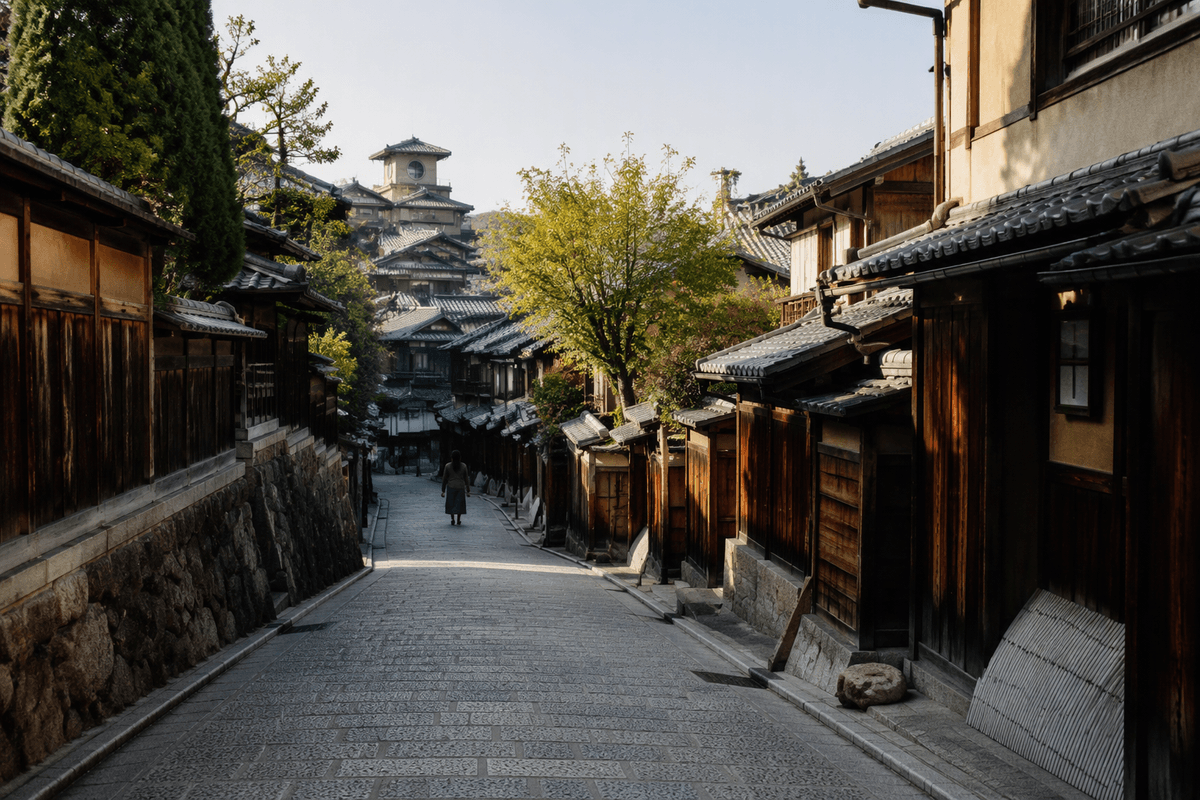
Kyoto rewards a trip built around rhythm rather than a checklist. The city has famous temples, atmospheric lanes, markets, gardens, and small workshops, but trying to visit every celebrated address can turn a beautiful place into a series of hurried transfers. A slower plan starts by choosing one broad area each day, then leaving enough room to notice what sits between the headline attractions: a neighborhood bakery opening for the morning, a stone basin outside a shrine, or a side street where bicycles and delivery carts move at everyday speed.
Start early whenever a major sight is part of the day. The goal is not to race through it, but to arrive while the air is cooler and the mood is quieter. Afterward, walk away from the busiest route instead of immediately joining another queue. Midday is a good time for a long lunch, a café break, a museum, or a garden with places to sit. Save one or two priorities per day and treat everything else as optional. This approach also makes weather changes, tired feet, and unexpected discoveries easier to accommodate.
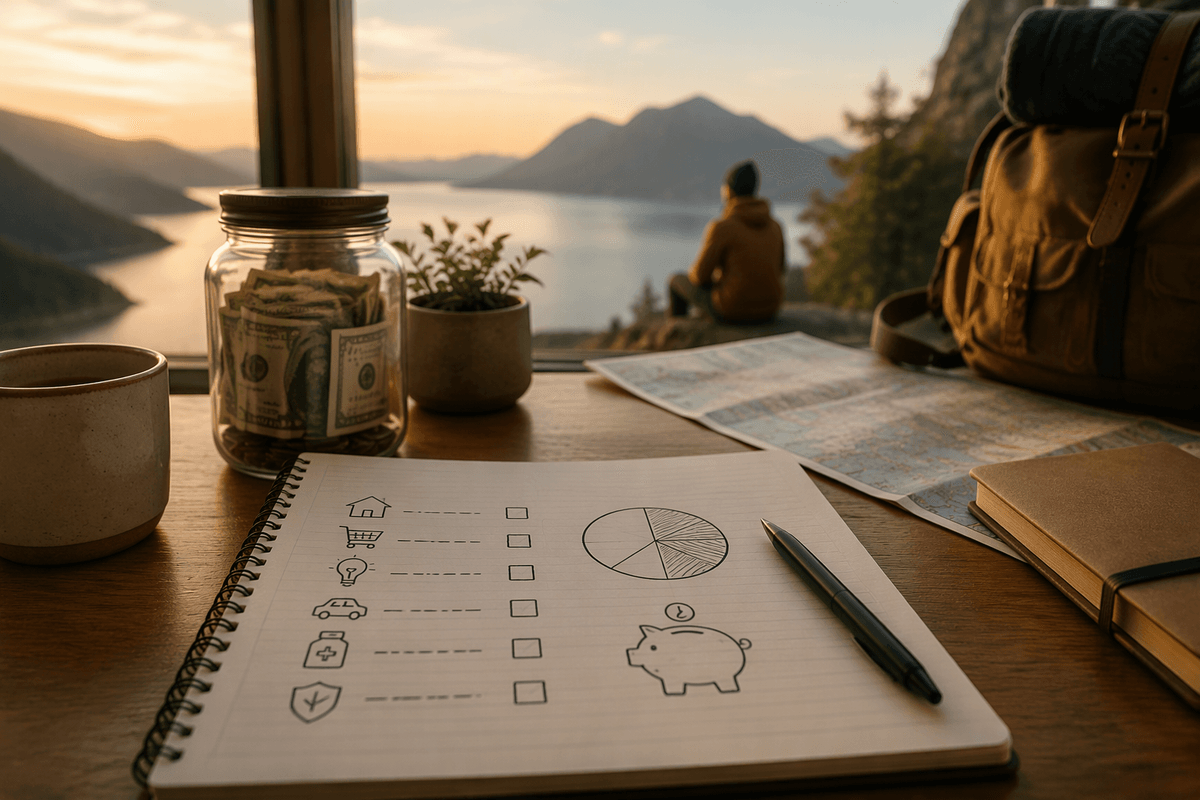
For saving money, make convenience part of the calculation. Repeated short taxi rides can add up quickly, while a day organized around walking and a few transit trips usually feels simpler as well as less expensive. Keep a rechargeable transit card ready, carry water, and pack a light layer for changing weather. Choose accommodation near a station or within a district you want to explore; the best room is often the one that lets you begin and end the day on foot. Finally, resist planning every meal around a destination restaurant. A modest neighborhood lunch can be both more affordable and more memorable when it gives you time to linger.
Day One: Higashiyama Before the City Wakes
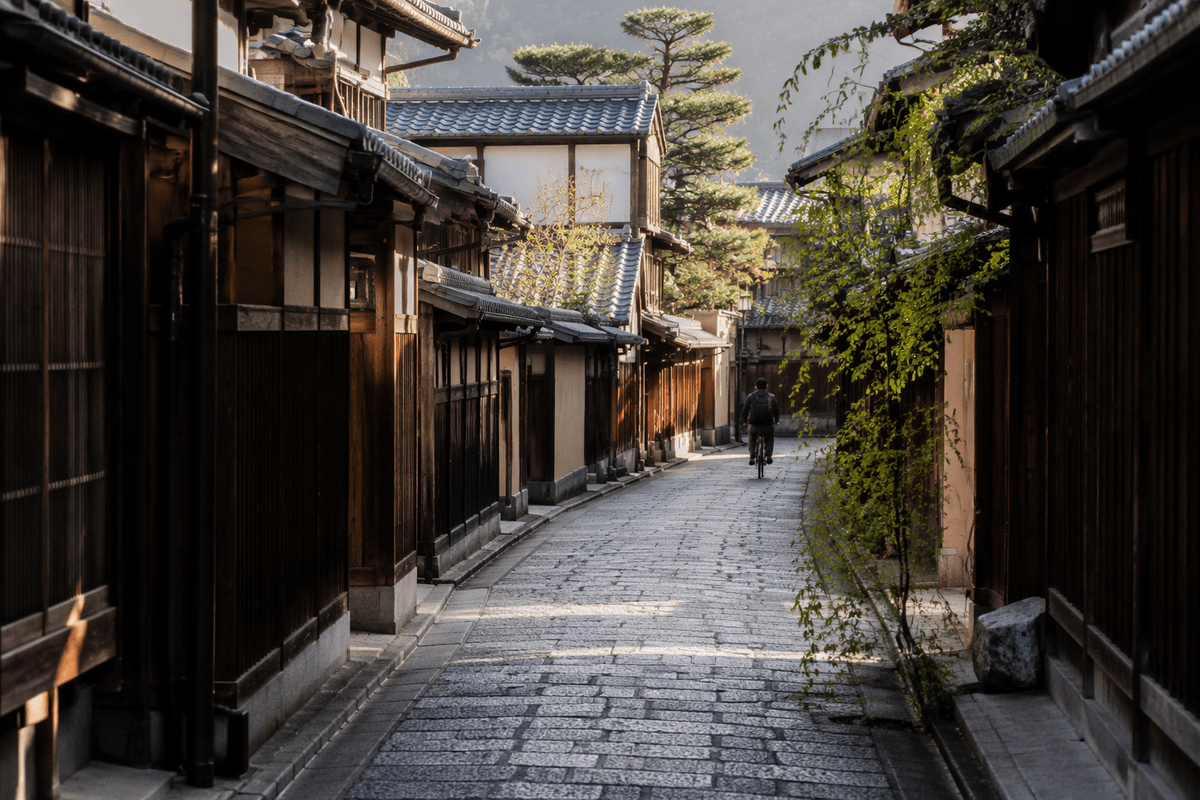
Begin in Higashiyama, Kyoto’s eastern hillside district, before its most photographed streets become busy. Pick one early temple or hillside viewpoint as the day’s anchor, then continue at a walking pace through the old lanes below. The pleasure here is in the transitions: rooflines appearing beyond a bend, a small courtyard behind a gate, and shopfronts gradually opening. If a street feels crowded, turn onto a parallel lane rather than forcing yourself forward. The quieter route is often only a block away.
After your first visit, pause for breakfast or a simple coffee and pastry. Then walk south or north according to your energy, stopping at a smaller temple, a local shrine, or a modest gallery that genuinely catches your eye. This is a useful place to practice selective sightseeing. You do not need to enter every building to feel the character of the neighborhood. A slow exterior walk, a few respectful minutes in a garden, and time to read the setting can be enough. Keep your phone away for stretches of the walk so the district feels less like a route to document and more like a place to inhabit.
Plan lunch away from the busiest main street. Look for a small set-meal restaurant, noodle shop, or counter where the menu is manageable and the pace is calm. In the afternoon, avoid stacking another major temple visit immediately after lunch. Instead, browse a ceramics shop, a paper goods store, or a tea-focused café, then wander toward a quieter residential edge of the district. Buying one small, useful craft item is a more thoughtful souvenir strategy than collecting many generic keepsakes. Ask whether an item is easy to pack, useful at home, and something you will enjoy seeing every day.
As evening arrives, choose a simple finish: a riverside walk, an early dinner, or a return through the district when day-trippers have thinned. If you still have energy, stop at a small dessert shop rather than adding another formal attraction. Keep this first night deliberately light. A three-day itinerary works better when the first day leaves you curious for tomorrow rather than exhausted by today.
Day Two: Northwest Kyoto, Gardens, and Everyday Texture
Use the second day to shift away from the dense eastern circuit. Northwest Kyoto offers a good contrast: temple grounds, garden landscapes, and residential streets that encourage a more spacious kind of exploration. Start with one significant cultural stop in the morning, arriving early enough to take your time with the approach, architecture, and grounds. Rather than turning the visit into a photo mission, notice how paths guide your movement and where the space invites stillness. Sit for a few minutes when benches or open views make that possible.
From there, let the itinerary loosen. Walk through nearby streets for lunch, and choose something seasonal or straightforward instead of chasing a heavily promoted meal. A small restaurant with a short wait, a neighborhood café, or a prepared-food counter can make an excellent midday stop. This is also a practical budget habit: reserve one special meal for the trip, but allow everyday meals to be easy and local. Ordering simply can leave more room in the budget for tea, a museum admission, or a carefully selected handmade object.
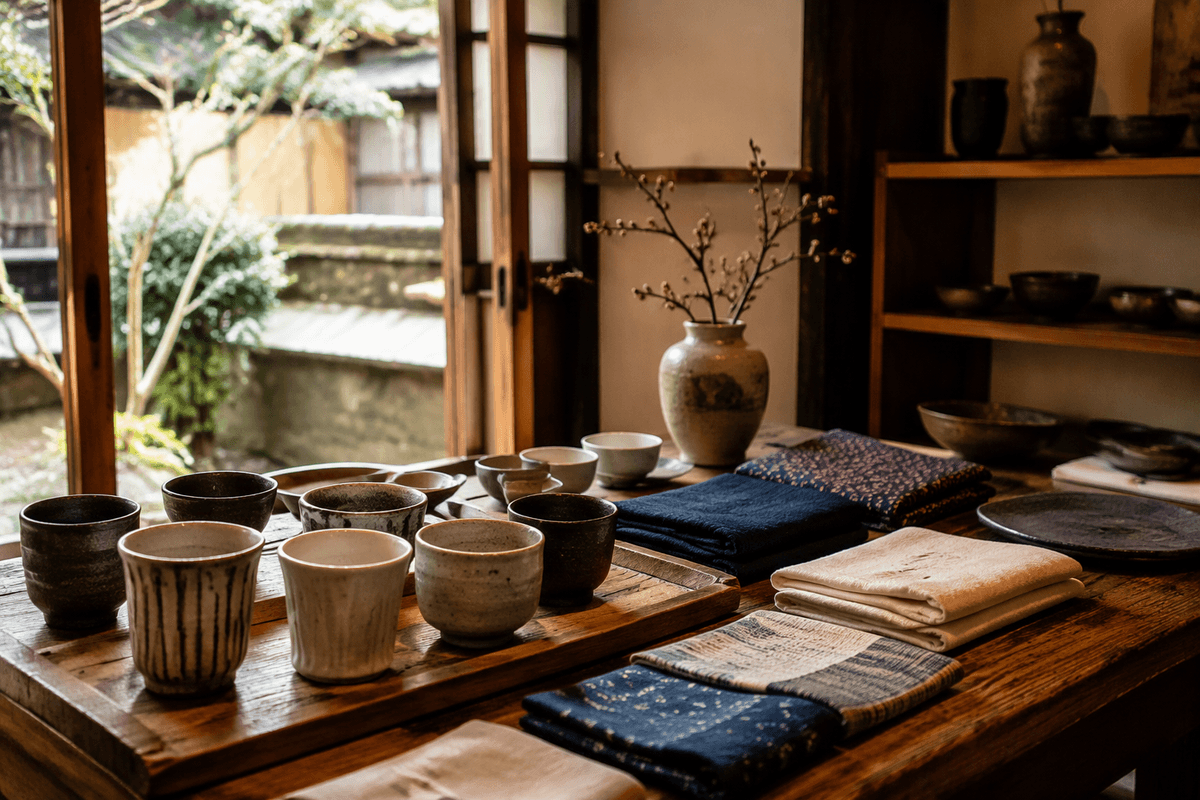
In the afternoon, make room for a craft-centered experience. Kyoto is closely associated with traditions such as ceramics, textiles, paper, tea utensils, and confectionery. You do not need a formal class to engage with those traditions. Spend time in a specialist shop, look closely at materials and tools, or visit a compact exhibition where objects can be appreciated at human scale. If you do book an activity, leave a generous buffer before and after it so the appointment does not turn the entire day into a transit problem. A short conversation with a shopkeeper, when welcome, can offer more texture than another rushed landmark.
Transit is most useful today as a bridge between two zones, not as a way to chase distant pins across the map. Check your route before leaving each area, then walk the final stretch whenever possible. End in a neighborhood where you can have dinner without needing to cross the city again. A quiet bar, dessert shop, or evening stroll gives the day a satisfying close without demanding another attraction.
Day Three: Southern Kyoto and a Gentle City Finish
For the final morning, head south early and choose one major shrine or temple landscape as your focus. The key is timing and restraint. Arrive near the beginning of the day, walk beyond the most obvious entrance sequence if the setting allows it, and turn back once the experience begins to feel crowded or repetitive. A slower visit is not measured by distance covered; it is measured by whether you had enough quiet to absorb where you were. Leave enough time afterward to walk through nearby streets without treating them merely as the exit.
After the morning visit, travel toward central Kyoto for a relaxed afternoon. This is a good time for a market area, a department-store food floor, a bookshop, or a compact museum, depending on the weather and your interests. Give yourself permission to replace a planned stop with a long lunch. On a short trip, an unplanned hour spent over tea or a carefully chosen meal may become the detail you remember most clearly. Central areas are especially useful on a departure day because they offer shelter, easy food options, and straightforward connections.
Use the last afternoon for practical pleasures. Pick up edible gifts, browse for a small piece of local craft, or revisit a neighborhood that felt promising but rushed on the first day. When choosing souvenirs, favor items that can be used at home: tea, sweets, stationery, cloth goods, or a small cup. They are easier to carry, often cost less than decorative objects, and extend the trip through ordinary routines afterward. Keep some free space in your bag and avoid last-minute purchases that feel disconnected from the trip.
Finish with a short personal review of the itinerary. Which district felt most comfortable to walk in? Which meal or small encounter changed the tone of the day? Keeping a few notes helps transform sightseeing into a deeper experience of place. Kyoto will always contain more than three days can hold. Leaving a few things unseen is not a failure of planning; it is the reason a return visit can feel like a continuation rather than a correction.