The cheaper workday is not always obvious
At first glance, the cheaper workday seems settled before the numbers are written down. Fewer train fares, parking charges, and bought lunches suggest remote work should win. Then the monthly utility bill rises, a desk occupies part of a room, or an employer stops covering equipment that once sat in the office. Office work has its own hidden leakage: rushed meals, unpaid travel time, and costs that appear only on busy weeks.
The comparison becomes less about choosing a location and more about identifying which costs move with each workday. A household with a long commute may save substantially by staying home, while someone with a short drive and limited workspace may see little change. The useful starting point is the actual office-day cost, including recurring charges and occasional spending.
Start with what office days actually cost

Begin with a normal office day, not an idealized one. Add the round-trip fare or the fuel used, parking, tolls, and any extra insurance or vehicle wear tied to the commute. Then look at spending that follows the schedule: breakfast bought near the station, lunch purchased because there is no time to pack it, coffee, and occasional convenience costs after a late return. A short commute can still become expensive when these smaller payments happen four or five times a week.
Separate costs that repeat from those that arrive only occasionally. A monthly transit pass belongs in the recurring column, while a repair caused by heavier driving may belong in a less predictable one. Time is harder to price, but it matters when commuting forces paid childcare, an earlier dog-walking visit, or a more expensive dinner. The first estimate will not be exact. Its value is showing which assumptions carry the comparison, and which costs would disappear if office attendance fell from five days to two.
Remote work removes some costs, not all
Once the office-day column is visible, the home-day column can look almost empty. The commute may disappear, along with parking, station coffee, and the lunch bought under pressure. Those savings are real, but they should be tied to the number of days actually avoided. A worker staying home two days a week does not save a full monthly transit pass unless the pass can be cancelled, and fuel savings may be modest when the car is still needed for other trips.
Home costs tend to arrive less neatly. Electricity, heating, air conditioning, water, and internet may rise slightly, while a suitable chair, monitor, keyboard, or faster connection can create a larger one-time charge. Food can also shift rather than vanish: packed lunches may cost less than restaurant meals, but frequent delivery or extra snacks can erase part of the difference. Record equipment separately from recurring costs, then spread a realistic replacement cost across its useful life. The comparison becomes more credible when it asks not only what remote work removes, but which expenses it transfers into the household.
Your workspace can change the calculation
That transfer is easiest to miss when the workspace already exists. A spare room used as an office may require little new spending, while a worker sharing a small apartment may need a desk, storage, better lighting, or a larger monitor. The cash cost can arrive upfront, but the space cost continues: part of a bedroom or dining area is no longer available for its original use. In a high-rent household, that loss may matter more than a small increase in electricity.
Equipment also changes the result when an employer’s policy is unclear. A company may provide a laptop but not a chair, second screen, internet upgrade, or repairs. One worker may buy everything at once; another may use existing furniture and accept lower comfort. Keep these choices separate from normal household spending, and assign one-time purchases a useful life rather than charging the entire amount to a single month. The calculation then shows whether remote work is genuinely cheaper or merely shifts part of the office into the home.
Hybrid schedules expose the volatile costs

Once attendance drops to two or three days, the neat savings from remote work can become harder to predict. A monthly transit pass may still be necessary, while parking charges, fuel, and bought lunches fall only partly. Driving twice a week can also preserve most vehicle costs, especially when the car is financed or needed for other household trips. The result depends on whether each expense changes with every avoided office day or remains fixed.
Hybrid schedules create timing problems as well. Office days may cluster around meetings, making packed meals less practical and increasing coffee or convenience spending. A shorter commute might avoid childcare on remote days, yet an early meeting or late return can bring that cost back unexpectedly. Track the schedule over several weeks rather than applying a simple “half remote” assumption. Compare fixed costs with day-by-day costs, then test busy and light months. That exposes the expenses most likely to overturn an attractive average.
Benefits and household realities can reverse savings
The household calculation can change again when employer benefits enter the picture. Office attendance may qualify someone for a subsidized transit pass, parking support, daily meals, or equipment that would otherwise need to be purchased at home. Remote work may bring a stipend, but a reimbursement capped at $300 does not cover much if a desk, monitor, chair, and internet upgrade are needed together. Benefits also vary by employment status and can disappear after a policy change, so they should not be treated as permanent savings without checking the rules.
Household routines can matter just as much. A remote schedule may reduce paid childcare or make it easier to prepare meals, but another adult working from home can increase heating, cooling, and internet use. A quiet room may also be unavailable when children are home, forcing paid care or a coworking membership. Add benefits as separate line items, then test the comparison against actual household constraints rather than assuming remote days are cost-free. A saving that depends on uninterrupted space, stable employer support, or unpaid domestic labor is less secure than it first appears.
Build a comparison that survives real life
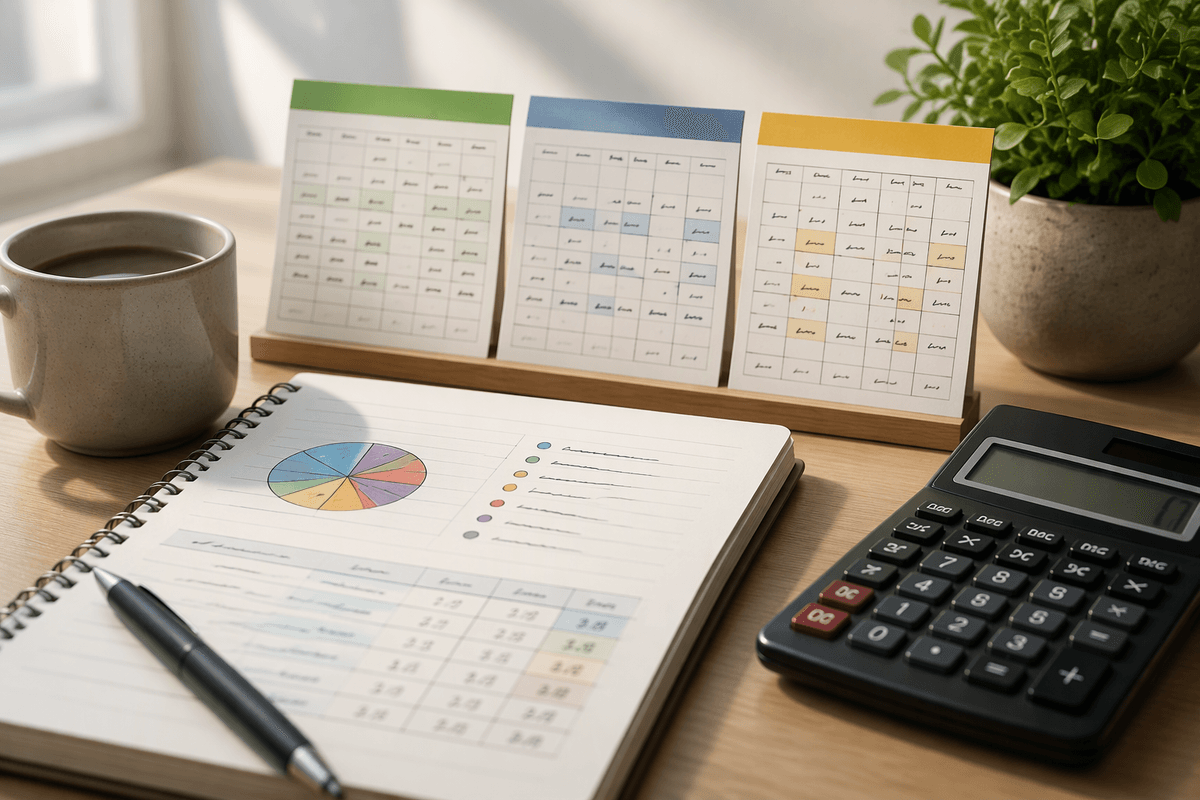
Put the comparison into a simple monthly table, but keep recurring costs, one-time purchases, and uncertain expenses in separate columns. Count office days, remote days, and hybrid days from an actual schedule rather than a yearly average. Include commuting, meals, utilities, workspace costs, childcare, equipment, reimbursements, and benefits. For one-time items, spread the cost across a reasonable replacement period. This avoids making a desk or monitor seem unaffordable in one month, while still recognizing that the household must pay for it.
Then test the result under different conditions: a normal month, a meeting-heavy month, a vehicle repair, or a benefit that ends. The most useful answer may not be a single winner. It may show that remote work saves money only above a certain number of avoided office days, or that hybrid work offers convenience without producing much cash savings. That narrower conclusion is more reliable than assuming either location is automatically cheaper.