Your Bills Are Due, but Your Cash Is Idle
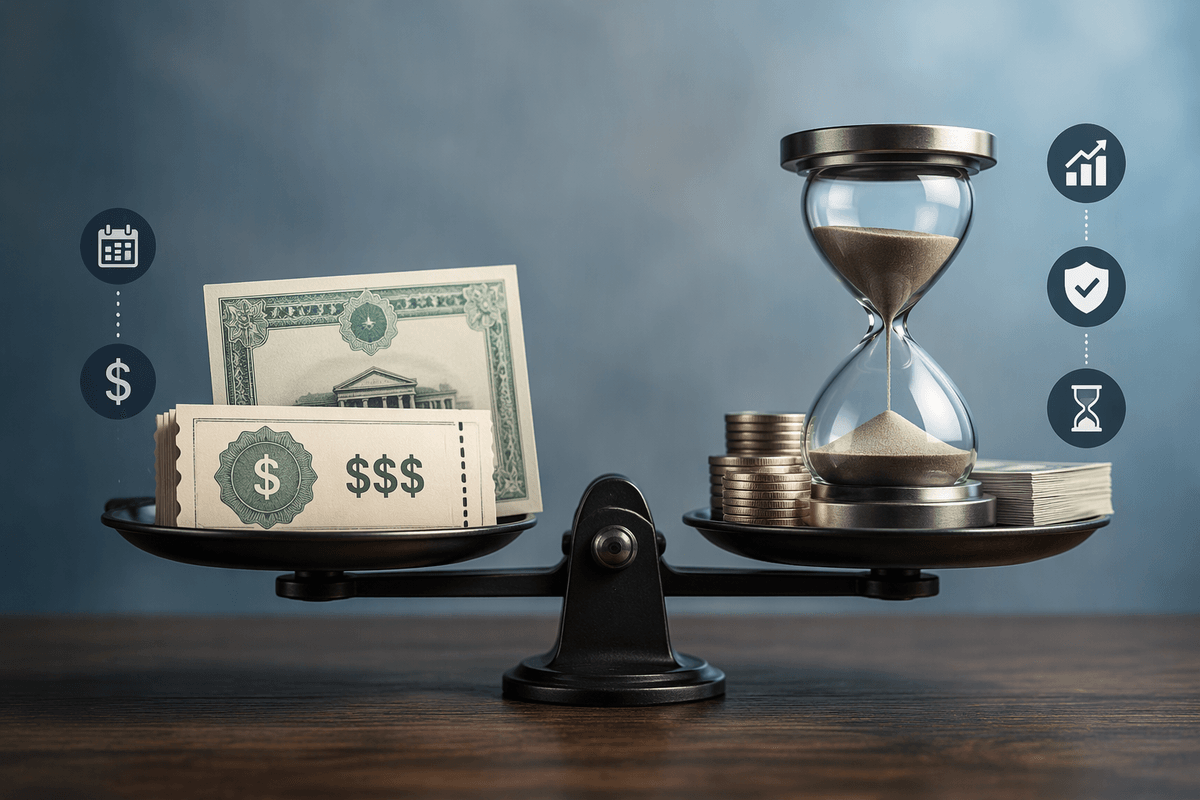
Payday arrives, the bills are already scheduled, and the money set aside for them may sit untouched for days or weeks. Leaving it in checking feels simple, but an idle balance can earn little or nothing. Moving it to savings may improve the return, yet transferring money back before a payment clears adds timing risk, especially when weekends, pending transactions, or transfer delays are involved.
The useful starting point is not the advertised interest rate. It is the cash needed for ordinary spending and bills that must clear without friction. Any amount beyond that immediate cushion may deserve a different home, but keeping too little in checking can create overdraft fees or declined payments. The first decision is therefore about access: which dollars need to be ready today, and which can wait?
Start With the Payments You Cannot Miss
Begin with the payments that have the least room for error: rent or mortgage, utilities, insurance, loan payments, and recurring subscriptions that can trigger penalties when they fail. Add purchases already committed to, such as a scheduled transfer or a credit-card balance due before the next paycheck. This amount belongs in the account connected to those payments, even if a savings account offers a better rate. A few extra dollars of interest cannot justify a declined transaction, late fee, or damaged payment history.
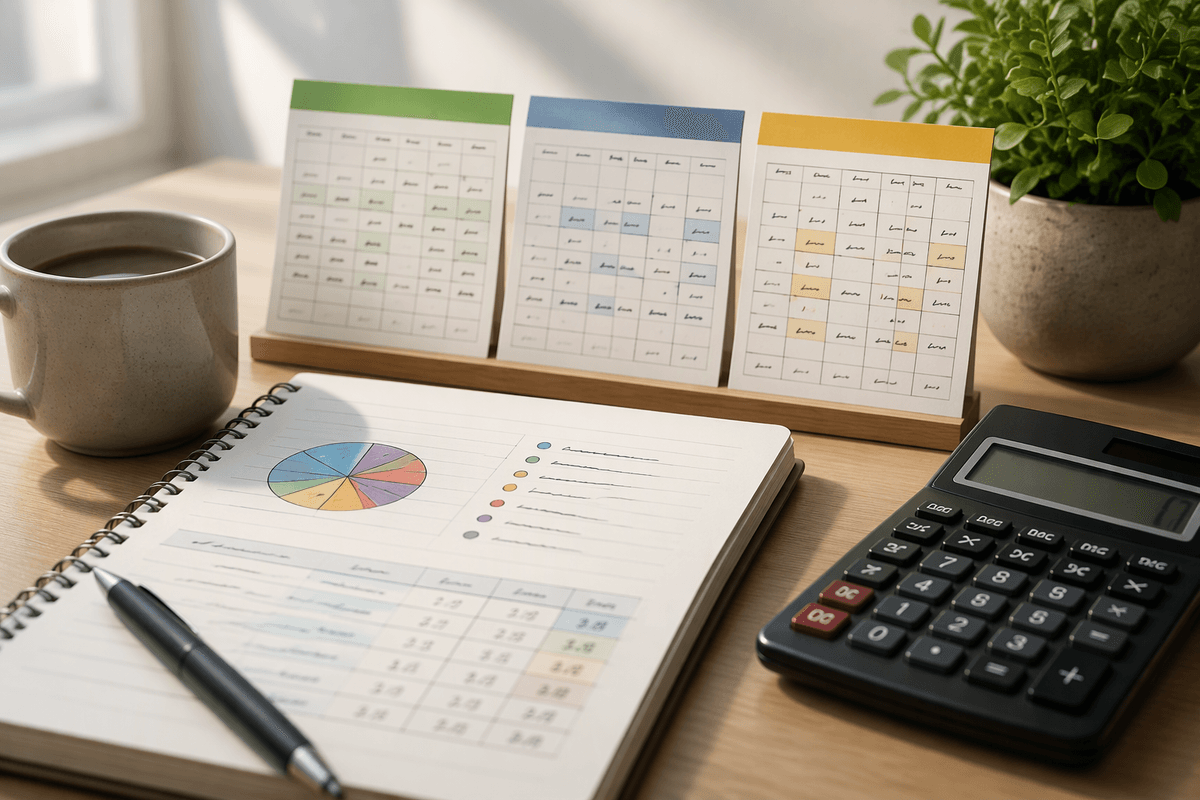
The harder part is estimating the balance needed when income and spending do not arrive neatly. Reviewing the last two or three months of statements can reveal the lowest checking balance reached after bills, groceries, and irregular charges cleared. That low point, plus a modest cushion, is more useful than simply keeping one month of expenses there. The cushion must also account for timing: an automatic payment may post earlier than expected, while a transfer from savings may take a business day or longer. If the balance repeatedly falls below that floor, the issue is not the account’s interest rate. It is that too much cash has been moved away from where the obligations are settled.
When Higher Interest Changes the Calculation

Once the checking balance has a dependable floor, the excess can be judged by what it earns elsewhere. A higher savings rate matters most when the balance is large enough and remains there long enough to produce a noticeable return. Moving $2,000 for a few weeks may generate only a modest amount, while keeping $10,000 there for a year can make the transfer effort more worthwhile. The comparison should use the actual annual percentage yield, not a temporary promotional rate that expires before the money is needed.
That calculation still has limits. Interest is earned gradually, but access problems appear at the exact moment a payment is due. A transfer delay, weekend cutoff, or minimum-balance requirement can erase the practical advantage of a slightly better rate. Taxes may also reduce the amount received, depending on the account and the household’s situation. Higher interest changes the calculation when the money is genuinely spare, the rate is stable enough to matter, and the account can release funds within the required time. Otherwise, the return is paying for flexibility that the balance cannot safely give up.
The Small Costs That Alter the Better Choice
The extra interest can look worthwhile until the account’s conditions enter the comparison. A savings account may charge a fee when the balance falls below a minimum, limit certain withdrawals, or require another account at the same institution. A transfer that costs a few dollars may not matter once, but repeated moves can consume much of the interest earned. Promotional rates can create another trap: the better return may apply only to a capped balance or disappear after a short introductory period.
Access costs also show up when plans change. An unexpected repair, medical bill, or large purchase may require money sooner than expected, and moving it back can involve a cutoff time or a one-business-day delay. Checking may offer easier card access, while savings may make frequent spending less convenient by design. That inconvenience can be useful if it prevents casual purchases, but it becomes expensive when it leads to overdrafts, rushed transfers, or reliance on credit. The better account is not always the one with the highest posted rate; it is the one whose fees and restrictions fit how often the money actually moves.
A Savings Balance Is Not Automatically Untouchable

That does not mean every dollar moved to savings must remain there. A balance set aside for a car repair, insurance premium, tuition payment, or a planned purchase is still part of the household’s usable cash. Treating it as untouchable can create a different problem: checking runs short, a bill is delayed, or a credit card fills the gap while money sits nearby. The key distinction is between money reserved for a known near-term need and money held for a longer emergency.
Using savings is reasonable when the expense matches the purpose of the balance and the withdrawal does not leave the reserve dangerously thin. Timing still matters. Rebuilding the account may take several paychecks, and a large withdrawal can expose the next unexpected expense to borrowing. A practical test is whether the money has a clear job, whether the account allows access without a costly penalty, and whether enough remains for events that cannot be scheduled. Savings should create separation from everyday spending, not an artificial barrier to necessary cash.
Build a Two-Account System That Fits Real Life
That separation becomes easier to manage when each account has a defined job. Checking can hold the amount needed for bills, routine purchases, and a small timing cushion. Savings can hold money for near-term expenses and reserves that should remain available but do not need to be touched every day. The split does not need to follow a fixed percentage. A household with irregular income may need more in checking, while someone paid on a predictable schedule may move excess cash to savings soon after payday.
The system works only if the transfers match real cash flow. Set an account floor based on the lowest balance reached after ordinary bills clear, then move only the amount above that floor. Schedule transfers after income arrives, leaving time for pending charges and avoiding weekends or bank holidays when access may slow. Review the arrangement after a large purchase, a change in income, or several overdraft warnings. An automatic transfer that repeatedly leaves checking short is not discipline; it is a design error. The goal is a clear boundary without making every repair, bill, or planned purchase depend on a last-minute transfer.
Choose Based on Access Before Chasing Interest
Once the two-account system is in place, access becomes the final test. Keep money for same-day bills, card spending, and likely withdrawals where payments can clear without another step. Put short-term reserves in savings only when the transfer process, withdrawal rules, and balance requirements match the time available. A higher rate is less useful if retrieving the money requires a business day, a fee, or a failed payment risk.
Before moving funds, check the account’s transfer cutoff, ATM and card access, withdrawal limits, fees, insurance protection, and rate conditions. Then compare those details with the expense’s deadline, not just the advertised yield. The better location is the one that keeps ordinary payments dependable while allowing genuinely spare cash to earn more. Interest matters, but access determines whether the arrangement survives real life.