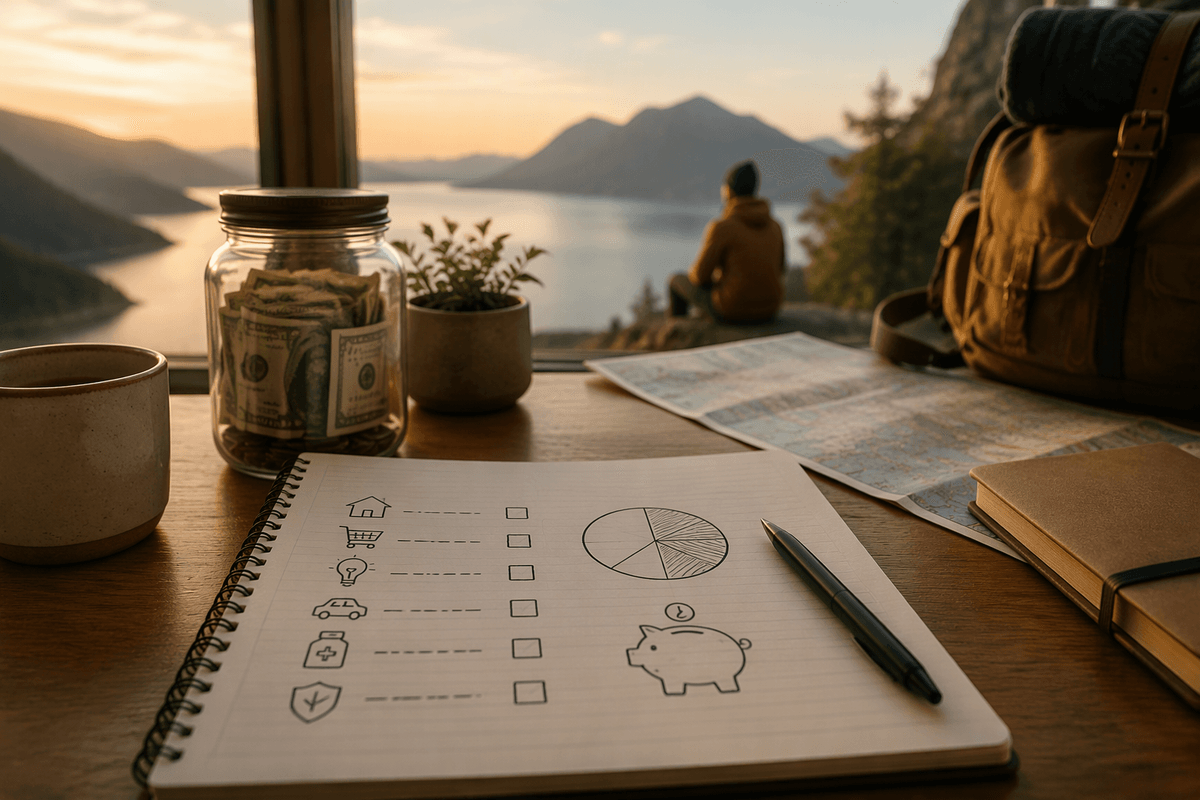
Planning the sakura trip: timing worries and expectations
I almost bought flights the moment I saw “full bloom” photos—then remembered the uncomfortable truth: you can’t schedule sakura like a museum ticket. Peaks slide earlier or later, and a seven-to-twelve-day trip with fixed PTO doesn’t give you infinite do-overs. The first decision isn’t “where’s the prettiest spot,” it’s how much uncertainty you can tolerate.
For most first-timers, the trade-off is simple but annoying: chase the most famous cities and accept higher prices and shoulder-to-shoulder parks, or widen the map and gain flexibility (often at the cost of extra transit and one less “iconic” checklist stop). Either way, set expectations now: you’re planning for “good bloom days,” not a single perfect afternoon—and you’ll want backups for rain, wind, or an early peak that makes yesterday’s forecast look optimistic.
How to time blooms: forecasts, regions, flexibility
The first friction point shows up right after you open a bloom forecast: it looks precise, but it’s really a probability map. I treat the dates as a moving window—“best odds” rather than a promise—because one warm week can pull peaks forward, and a cold snap can stall them. The forecast is still useful, just not for locking a single park on a single day. It’s better for deciding which region your trip should lean toward, and where you’ll place your “must-see” days in the itinerary.
Here’s the practical lever you actually control: latitude and elevation. Blossoms typically start earlier in the south and later as you go north or into higher ground, which means you can build a route that naturally hedges timing. Tokyo and Kyoto are convenient but they’re also the places where crowds and hotel rates react fastest to any “peak” headline. If your PTO is fixed, consider splitting your trip across two bloom bands—one major city plus a nearby cooler/warmer alternative—so you’re not stuck paying peak prices while staring at bare branches (or petals already swept into the gutters).
Flexibility doesn’t have to mean chaos. I like a simple rule: book the long-distance legs, keep two day trips as “float” days, and choose lodging with easy rail access so you can pivot if the forecast shifts. The goal isn’t chasing perfection—it’s giving yourself at least two realistic shots at a good hanami walk without burning half the trip in transit.
Tokyo best blossom spots for first-timers
The first time I tried to “do Tokyo sakura properly,” I made the classic mistake: I picked the famous parks first and only later checked what it would take to reach them at peak-hour pace. In Tokyo, the friction isn’t finding blossoms—it’s stacking spots without wasting your best light on trains, lines, and slow-moving crowds.
For an easy win that still feels special, I like the Chidorigafuchi–Kitanomaru Park area: it’s central, photogenic, and works well as a late-afternoon-to-evening block when the light softens. The boat lines can be long, and weekends feel compressed. If you want something you can actually walk through, Shinjuku Gyoen is calmer and more “designed,” but the limitation is that it keeps hours and closes on certain days, so it’s not a reliable night-viewing backup.
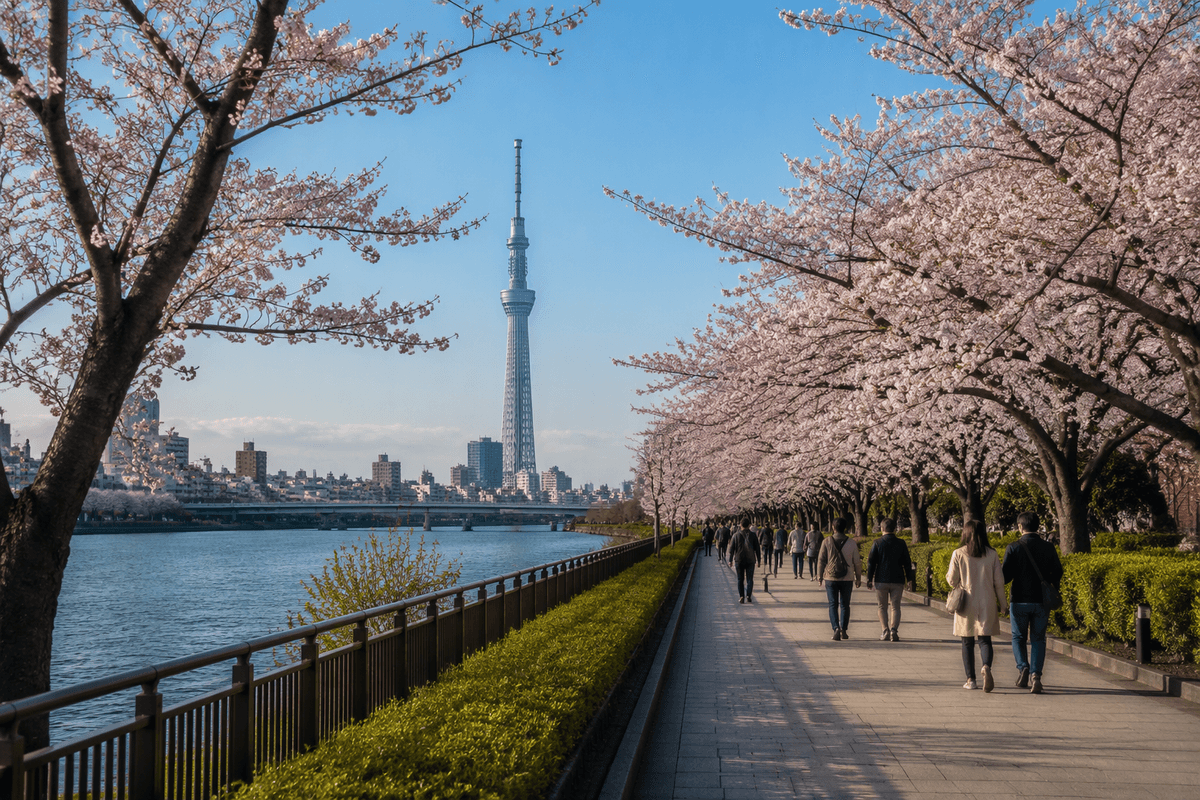
Ueno Park delivers the festival energy—food stalls, big trees, maximum crowd density—which is great once, but it’s not where I’d send you for a quiet first viewing. If your budget (or patience) is tighter, the Sumida Park riverside paths give you long, straightforward walking with skyline views, and it pairs cleanly with Asakusa without extra transfers. My practical rule: pick one “icon” park, then one linear riverside or neighborhood route, so you’re not spending peak bloom day trapped in a human traffic jam.
Kyoto and Nara: classic temples, crowds, etiquette
I hit the Kyoto planning wall the moment I tried to pair “iconic” temples with “nice light” and realized they’re often the same hours everyone else is aiming for. If Tokyo’s sakura challenge is stacking neighborhoods efficiently, Kyoto’s is crowd physics: narrow lanes, slow entrances, and a lot of people trying to take the same photo in the same two-minute window.
For first-timers, the most reliable play is to choose one heavy-hitter area per half-day and accept you won’t glide between five temples like a checklist. The Philosopher’s Path can feel magical on a weekday morning, but the trade-off is that it bottlenecks fast near popular stops, and blossoms don’t always peak evenly along the whole canal. Maruyama Park and the Yasaka area deliver classic evening atmosphere, yet they’re also where “quick dinner nearby” turns into a wait unless you eat early or have a reservation.
Nara is the pressure-release valve if Kyoto is peaking too hard: Todai-ji and Nara Park are straightforward as a day trip, and the open space makes crowds feel less claustrophobic. The limitation is timing—deer plus blossoms sounds serene until you’re navigating snack-hungry animals and tour groups. Etiquette-wise, the easiest win is also the most visible: keep moving on narrow paths, don’t block bridges for photos, and treat hanami as shared space, not a private shoot.
Osaka, Himeji, Hiroshima: castle-and-river sakura
I remember standing in Osaka with a “Kyoto or bust” plan and realizing I was budgeting my best bloom day for train transfers and temple entry lines. Osaka is the pragmatic pivot: you can still get big, satisfying sakura scenes without the constant feeling that you’re one late subway away from losing the light. The easy pair is Osaka Castle Park for the postcard view—great payoff, but it gets dense fast—then a riverside walk (Kema Sakuranomiya Park works well) where the experience scales better because you can simply keep walking when it clogs up.
Himeji is the sharper upgrade if you want one castle that feels worth the detour. It’s a clean day trip from Osaka or Kyoto, and when the blossoms cooperate, the contrast of white walls and pale pink is hard to beat. The limitation is timing: arrive late and you’ll fight both crowds and mid-day glare, and the grounds can feel like a slow-moving queue. Hiroshima is the longer pull, but it’s a smart “bloom hedge” if you’re already considering the west: Peace Memorial Park and the rivers give you linear viewing that doesn’t require perfect peak to still feel good. The trade-off is obvious—more distance, more hotel decisions—so it’s best when it replaces something, not when it’s bolted onto an already tight itinerary.
Offbeat options: Kanazawa, Nagano, Tohoku, Hokkaido
The moment you start pricing Kyoto hotels for peak week is usually when “offbeat” stops sounding adventurous and starts sounding logical. Kanazawa is my favorite pressure-release option: it’s a manageable add-on from Tokyo via Hokuriku shinkansen, and you get Kenrokuen plus the castle-park area without the same crush as the Kyoto greatest-hits circuit. The trade-off is that it’s not a quick day trip unless you’re willing to spend a lot of your best light on rail time—one night there makes it feel intentional rather than rushed.
Nagano (and nearby Matsumoto) works when you want a cooler-leaning hedge without committing to the far north. Elevation buys you a little timing flexibility, but it also buys you colder mornings and a higher chance you’ll be wearing your “rain plan” jacket on a supposedly spring day. Tohoku is the bigger swing: the bloom tends to lag behind Tokyo, which is exactly what you want if forecasts look early, but the limitation is route efficiency—longer hops, fewer “just pop over” connections, and you’ll feel it if you only have 7 days.
Hokkaido is the timing insurance policy for late April/May travelers, not a magic fix for a Tokyo/Kyoto itinerary that’s already packed. If you go, go because you’re willing to trade classic temple density for breathing room and a cleaner calendar—otherwise, it’s the kind of detour that quietly eats the trip you thought you were taking.
Practical logistics: passes, hotels, night viewing, weather
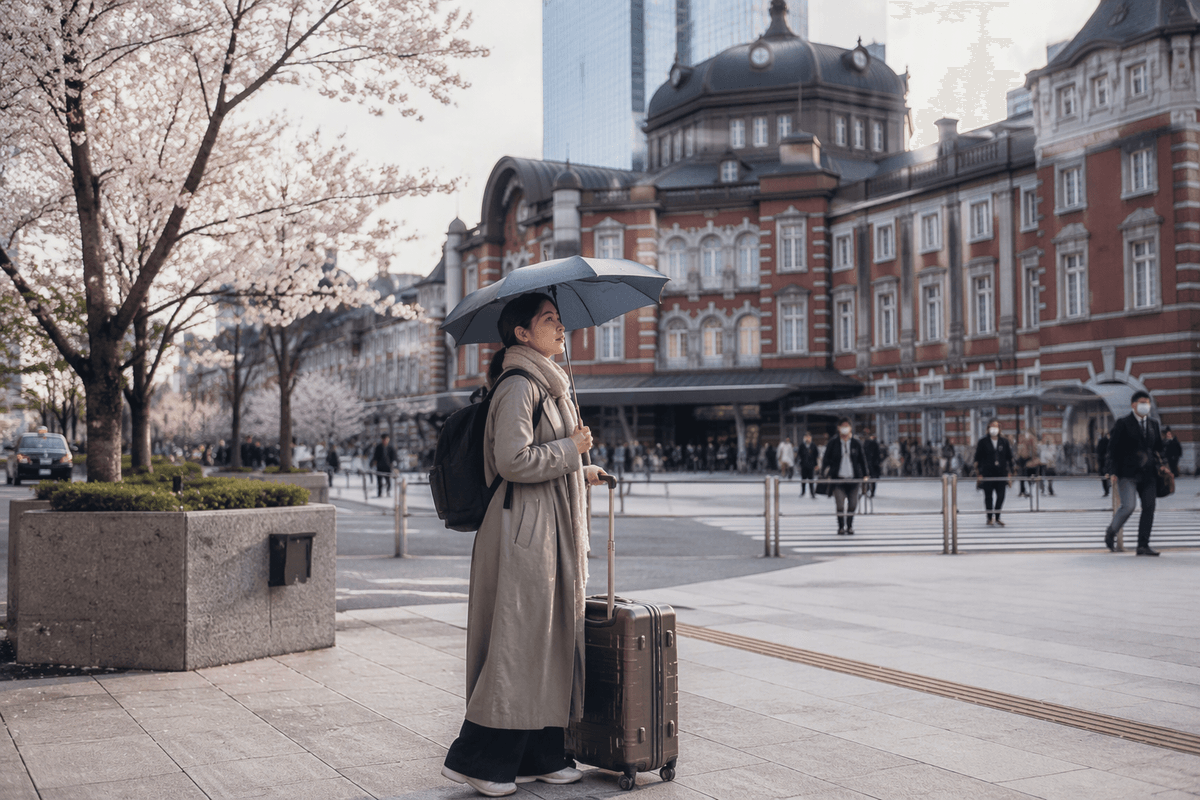
I learned the hard way that the “bloom hedge” plan falls apart if your hotel is on the wrong side of a station transfer you’ll be doing twice a day. In spring, I prioritize rail-adjacent neighborhoods over “cute streets,” because you’ll end up moving at odd hours to catch morning light or dodge weekend density. The closer you are to major hubs in Tokyo/Kyoto/Osaka, the faster rates spike when forecasts look promising. If you can’t stomach peak weekends, shifting check-in/out to midweek often saves more than hunting for a slightly cheaper room in a transit dead zone.
Passes are similar: they work brilliantly when your route matches them, and they quietly waste money when you start improvising. For a 7–12 day first trip, I treat long-distance tickets (Tokyo→Kyoto/Osaka, plus one side-trip like Himeji or Kanazawa) as the core, then price a pass only if you’re stacking multiple intercity rides in a tight window. The trade-off is flexibility—passes encourage “use it or lose it” travel on the exact days you may want to stay put if petals are peaking in your neighborhood park.
Night viewing (yozakura) is the easiest way to get a second “best light” slot without sacrificing daytime sightseeing, but it’s not friction-free: illuminations can be gated, weather-dependent, and crowded right after dinner. And spring weather is fickle—pack layers and a compact umbrella, and assume at least one rain day where your backup is a covered shopping street, a museum, or simply a calmer riverside walk between showers.
Wrapping up: choosing trade-offs for your ideal bloom trip
On my last spring itinerary draft, the final argument wasn’t Tokyo versus Kyoto—it was whether I wanted my “best bloom day” to be optimized for certainty or for atmosphere. If you only have 7–12 days and fixed PTO, you’re basically choosing what you’re willing to lose: money (peak hotels), space (peak crowds), or time (extra rail to chase a better window).
If this is your first Japan trip and you want the cleanest logistics, build around one mega-base (Tokyo or Osaka) plus one timing hedge (a day trip or one-night add) that shifts either latitude or elevation—Kanazawa, Himeji, Nara, or a cooler inland stop. What usually doesn’t work is trying to “collect” Tokyo, Kyoto, Hiroshima, and Tohoku in a single run; the transit adds up, and you’ll end up spending your best light in station corridors. Also, don’t force every blossom moment into the most famous park: one icon spot is enough, and the rest can be linear walks where you can keep moving when it clogs.
The practical takeaway I’d keep: lock the big legs, protect two float days, and write down a rain plan that still feels like Japan—not a consolation prize. The trip feels successful when you’ve given yourself multiple decent chances at sakura, not when you’ve “timed” one perfect hour.